Science News
The brain’s fear center moonlights as the save button for memories
What determines which moments are remembered? The amygdala, typically associated with regulating fear and aggression, may play a major role
Memory and learning

How the brain stores, recalls and forgets, and what helps us learn.
Science News
What determines which moments are remembered? The amygdala, typically associated with regulating fear and aggression, may play a major role
Memory and learning
ScienceDaily
Scientists have uncovered a hidden gut-to-brain dopamine pathway that helps explain why bitter coffee and other initially unpleasant flavors can become favorites over time. The discovery reveals how the brain learns to crave certain foods and could eventually lead to new ways of reshaping eating habits and food preferences.
Memory and learning

ScienceDaily
A surprising new study from UCLA suggests that a naturally occurring molecule could help breast cancer survivors overcome the frustrating brain fog and exhaustion that can linger long after treatment ends. Researchers found that women taking an oxaloacetate supplement for eight weeks experienced substantial improvements in memory, concentration, mental clarity, and fatigue.
Memory and learning

The Transmitter
The Transmitter surveyed 50 graduate program directors to learn how they’re faring. Securing labs for new students is one of the greatest concerns.
Memory and learning

The Transmitter
The European Animal Research Association's Patient Discovery Project connects researchers with people who have the conditions they study. The learning goes both ways.
Memory and learning
ScienceDaily
Scientists have uncovered a surprising link between Alzheimer’s-related protein buildup, disrupted brain waves during deep sleep, and fading memory. The findings suggest that hidden changes in how the brain processes memories overnight may contribute to age-related memory loss long before Alzheimer’s symptoms appear.
Memory and learning
The Transmitter
A more complex picture of how an animal’s brain tracks its location is starting to emerge.
Memory and learning
ScienceDaily
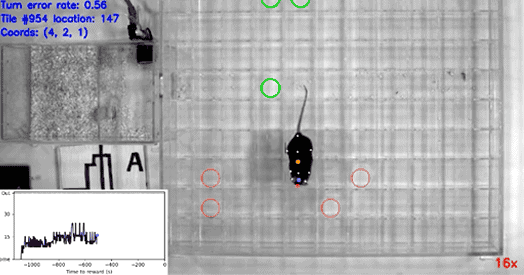
A massive new study reveals that intelligence plays a surprisingly limited role in children's reading success, while visual processing showed no meaningful connection at all. Instead, the strongest predictors are sound recognition, vocabulary, and background knowledge, offering new clues about how to help struggling readers.
Memory and learning

ScienceDaily
A surprising new study suggests that eating peanuts every day could help support brain health and memory in older adults. Researchers found that consuming about two servings of unsalted, skin-roasted peanuts daily for 16 weeks improved insulin responsiveness in brain regions important for memory, a function that often weakens with age and has been linked to Alzheimer's disease.
Memory and learning
ScienceDaily
A study of nearly 13,000 adults found that people consuming the most artificial sweeteners experienced a 62% faster decline in memory and thinking skills, equivalent to approximately 1.6 additional years of brain aging. Six popular sweeteners were linked to faster cognitive decline, raising concerns about the long-term brain health effects of common sugar substitutes, although causation was not established.
Memory and learning
ScienceDaily
A seven-year study found that people with Parkinson’s disease who were more physically active experienced slower declines in memory, thinking, and movement abilities. Those exercising more than eight hours per week showed almost no average cognitive decline, suggesting that staying active may offer important benefits as the disease progresses.
Memory and learning

ScienceDaily
A tiny region deep within the brain has surprised scientists by revealing a remarkably sophisticated communication system. Previously thought to broadcast the same chemical signal throughout the brain, this region actually sends targeted messages that help control learning, attention, and behavior, according to new research in mice.
Memory and learning
ScienceDaily
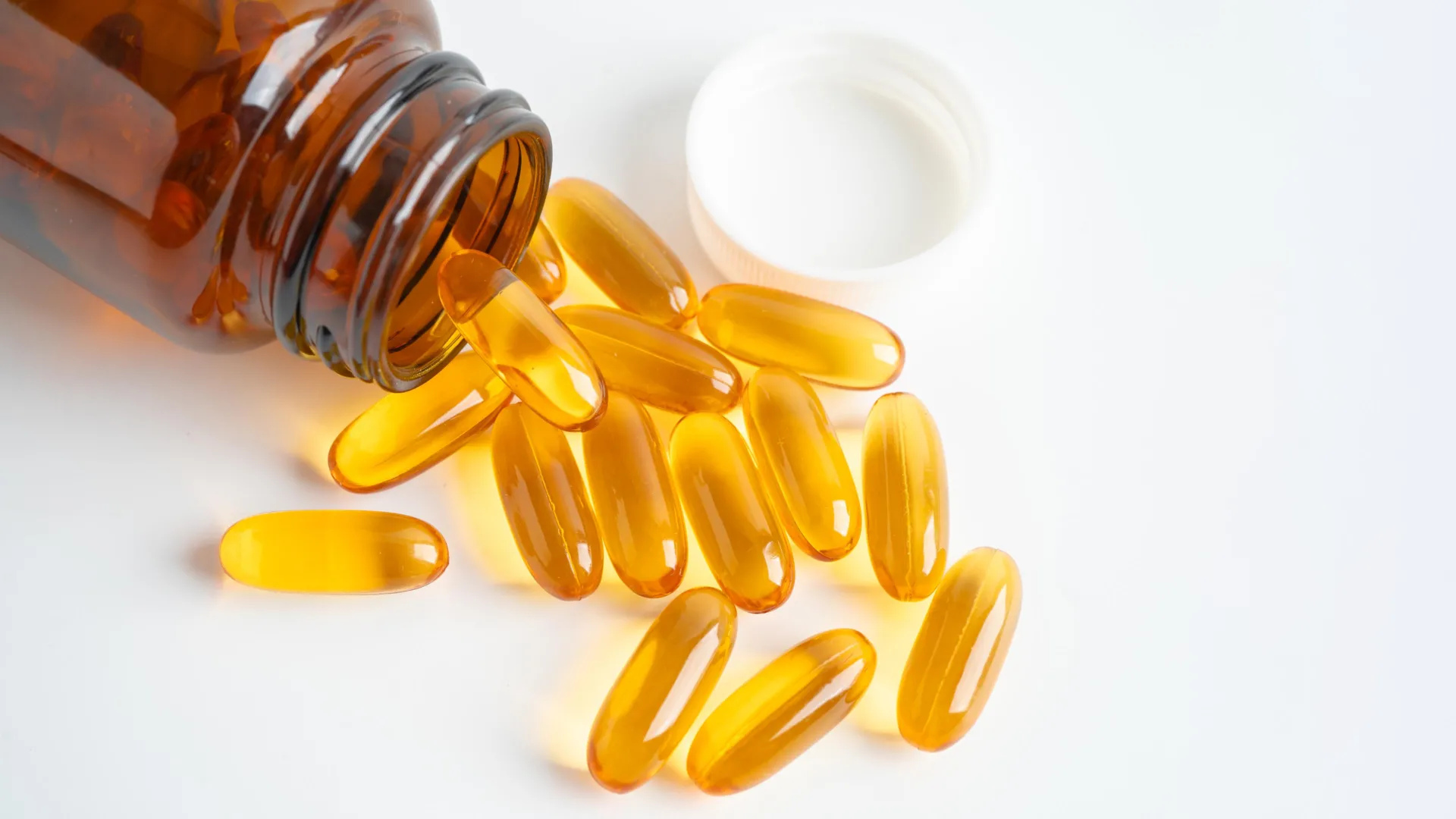
A surprising two-year clinical trial found that fish oil supplements successfully delivered omega-3s to the brain but failed to improve memory or protect against Alzheimer's-related brain shrinkage. Researchers suspect that getting these nutrients through a healthy diet may offer benefits that supplements alone cannot provide.
Memory and learning
ScienceDaily
The aging brain may be undergoing a remarkable transformation rather than simply losing its abilities, shifting its focus from remembering details to understanding the bigger picture. Scientists suggest this change could be an evolutionary adaptation that helps older adults develop wisdom and share decades of knowledge with younger generations.
Memory and learning
ScienceDaily
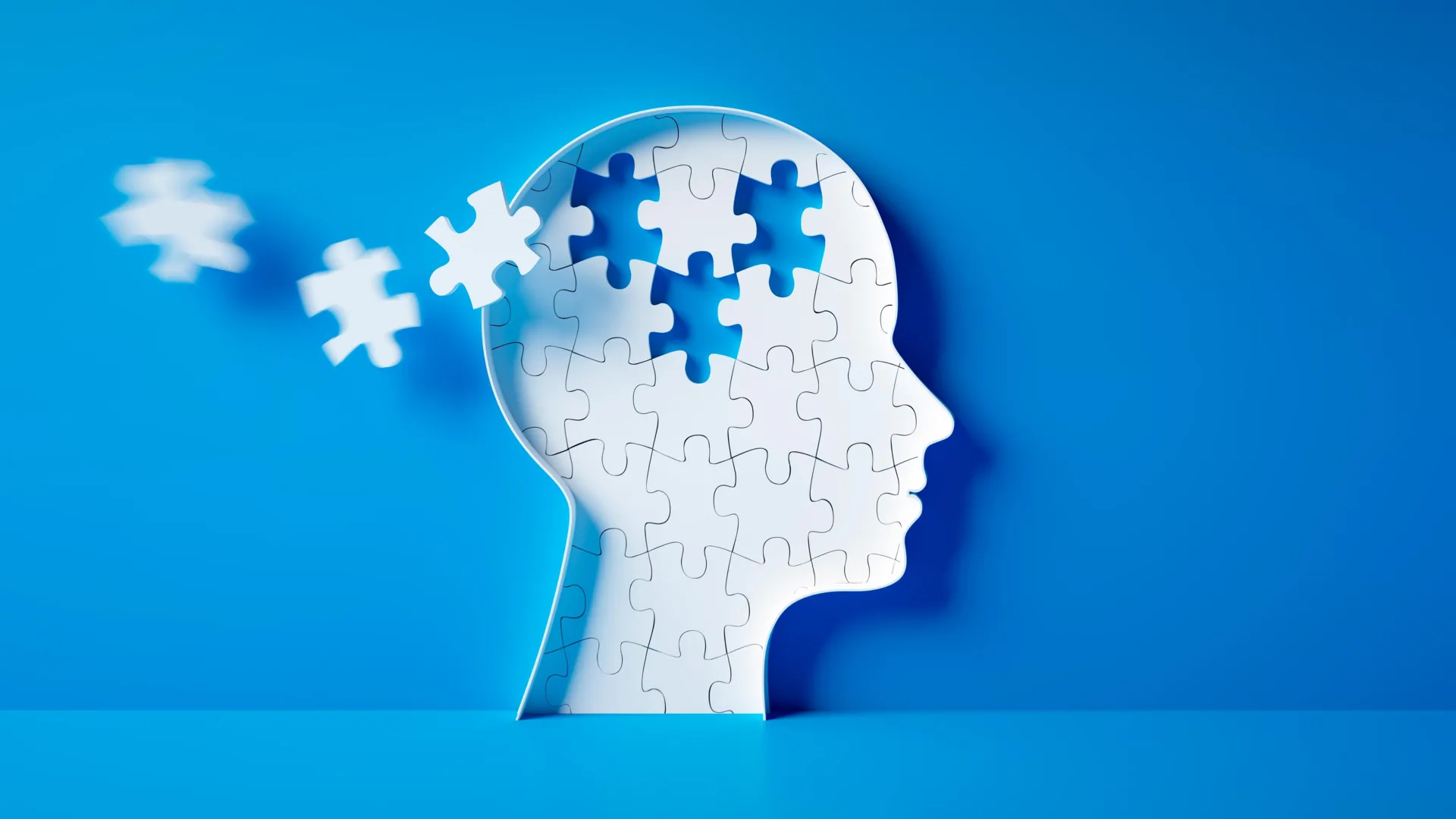
Scientists have found a promising way to protect the brain from Alzheimer’s-related damage by blocking immune cells that contribute to the destruction of neurons. In mice, the treatment preserved roughly 40% more tissue in memory centers and improved memory, even without removing harmful tau protein buildup.
Memory and learning
ScienceDaily
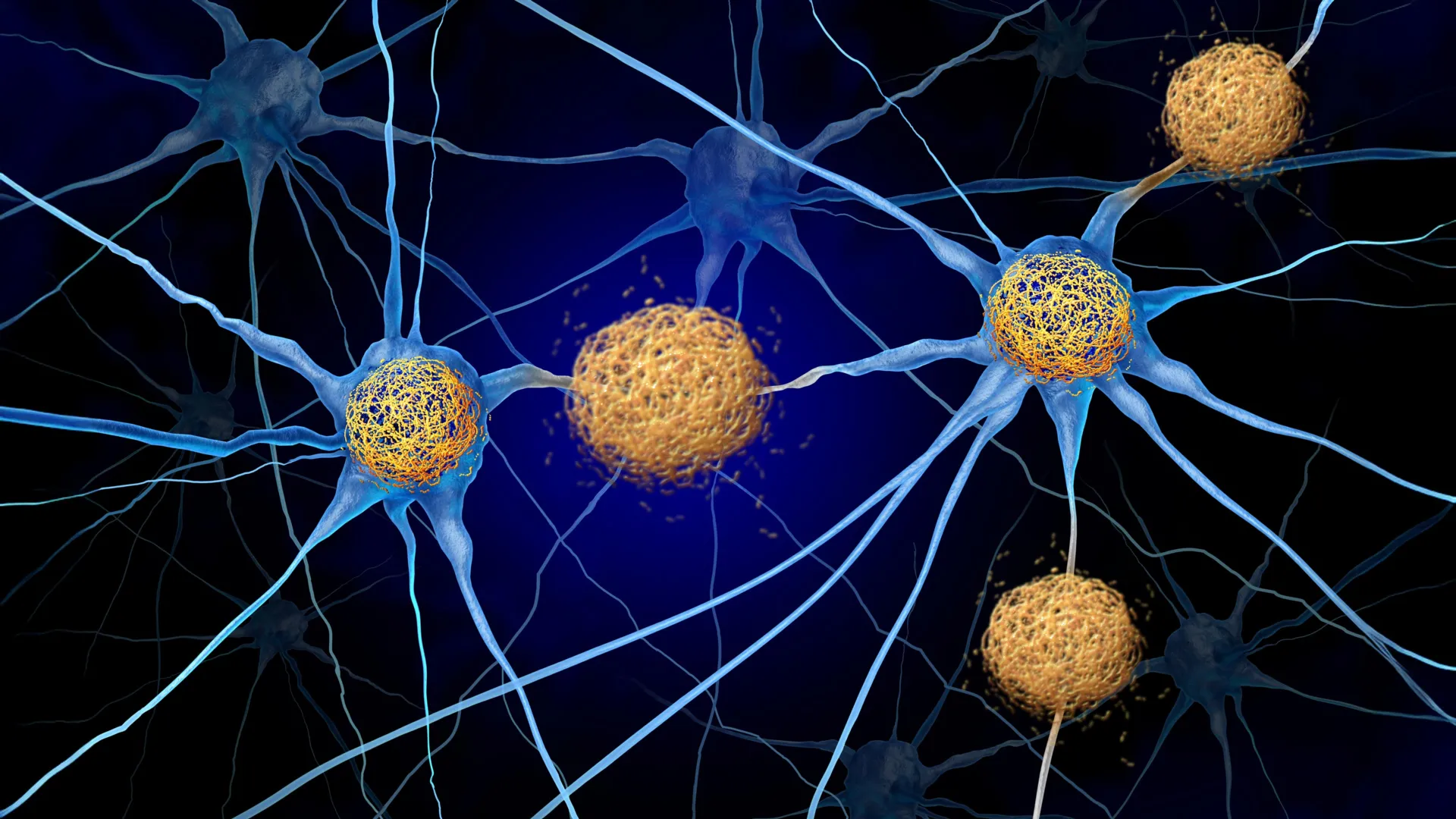
A discovery in tiny algae led to a Nobel Prize-winning breakthrough that allows scientists to switch brain cells on and off using light. The revolutionary technique has already helped researchers activate memories and is opening new possibilities for restoring vision and treating brain disorders.
Memory and learning
ScienceDaily
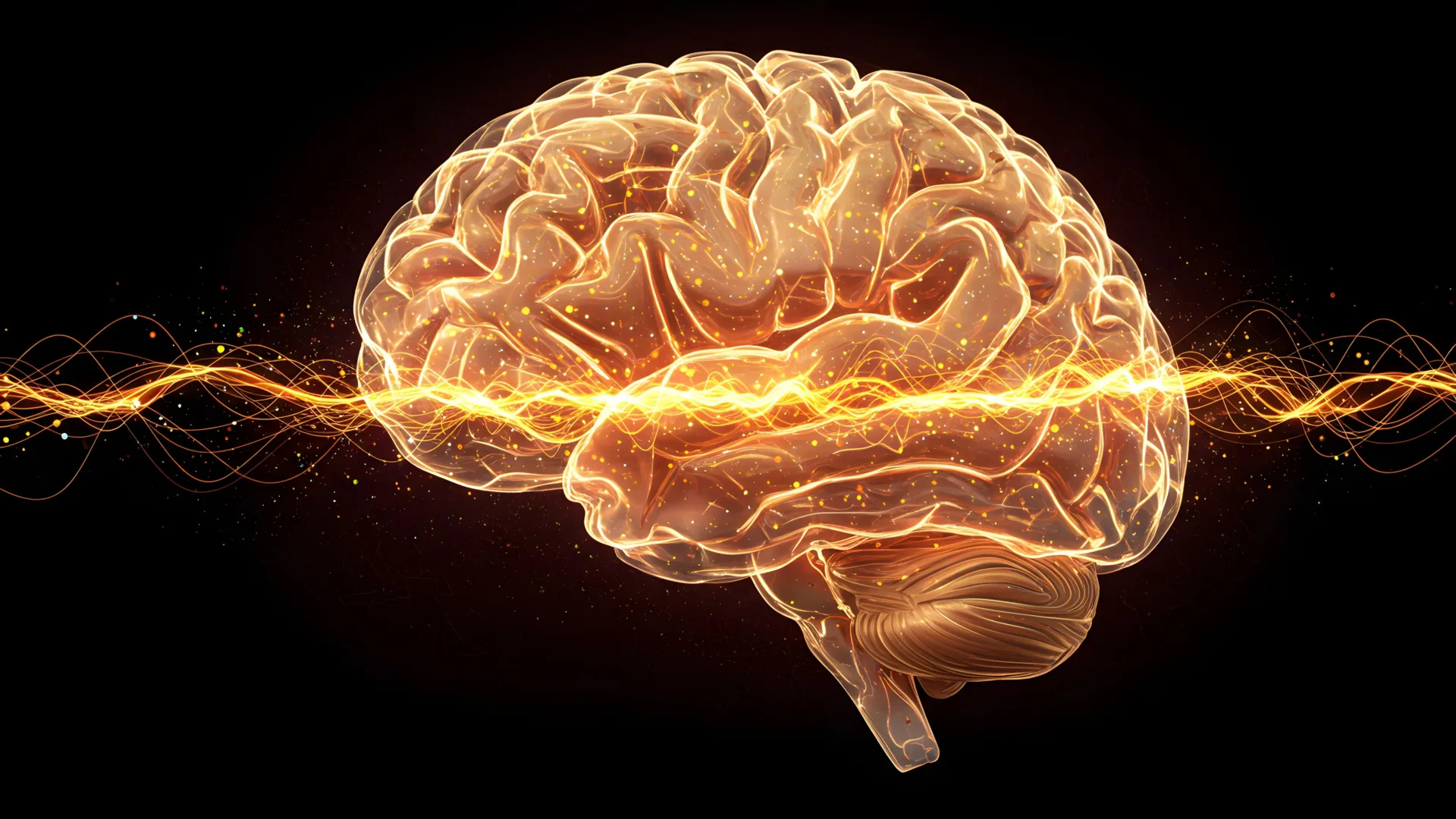
Eating too much salt may do more than raise blood pressure. It could also harm memory and social behavior. In a new study, Japanese researchers discovered that a soy-derived compound called LPC70 helped protect mice from several damaging effects of a high-salt diet. Mice given the supplement had lower blood pressure, better memory, and improved social interactions compared with mice consuming excess salt alone.
Memory and learning

ScienceDaily
Scientists have uncovered a surprising cause of age-related cognitive decline involving brain cells previously thought to be entirely beneficial. As these cells become dysfunctional, they can produce abnormal amounts of myelin, disrupting nerve fibers and potentially contributing to worsening memory and thinking skills.
Memory and learning
ScienceDaily
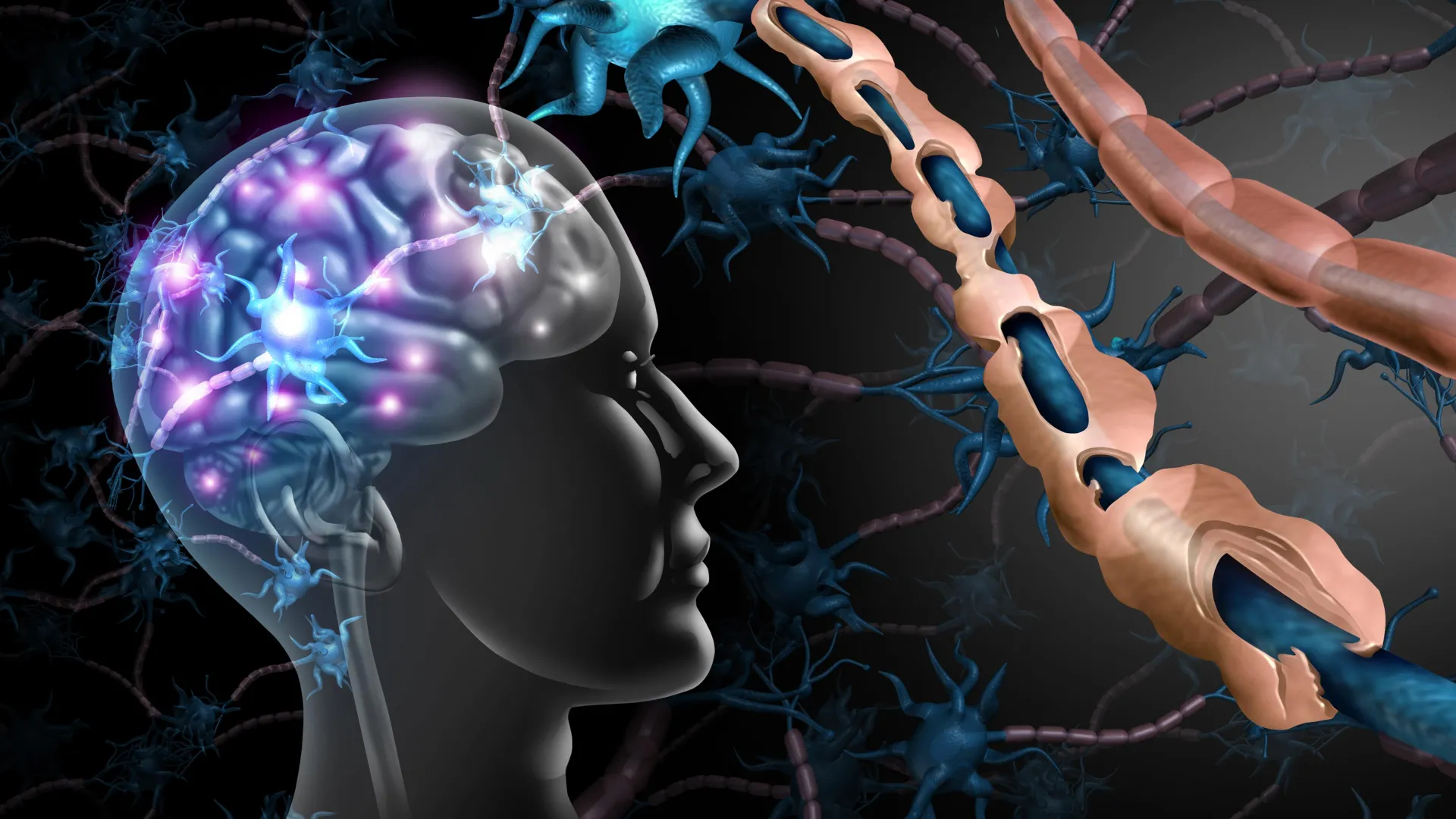
Yale scientists have uncovered how the stress hormone cortisol helps the brain turn emotional experiences into stronger, longer-lasting memories. The discovery reveals that stress can reshape communication between brain networks involved in emotion and memory, potentially explaining why certain moments are so difficult to forget.
Memory and learning
MIT News
Machine-learning networks can learn without detailed instructions from a designer. Those that do may offer insight into how the brain reorganizes itself during learning.
Memory and learning